
Best overall for families relocating abroad: international health insurance. Best for temporary visits: travel medical insurance. Best for protecting a prepaid family itinerary: comprehensive travel insurance. The best travel insurance for expat families in 2026 depends first on whether you need ongoing healthcare or protection for a specific trip.
- The best travel insurance for expat families starts with matching coverage to residence, trip length, and healthcare needs.
- International health insurance is the strongest starting point for families needing ongoing care abroad.
- Travel medical insurance suits temporary trips; comprehensive travel insurance adds itinerary-related protection, subject to policy terms.
- MyAbroadMDs supports pre-trip healthcare preparation with English-speaking doctor directories, not insurance or medical coverage.
Why this matters
An expat move is not simply a longer vacation. Your children might need routine appointments, prescription follow-up, or specialist care while you establish a new home. A policy designed around unexpected illness during a temporary trip does not automatically cover those needs.
Separate the financial question from the access question. Insurance defines which expenses qualify for payment; finding an appropriate doctor is a different task. MyAbroadMDs provides subscription-based, personalized directories of English-speaking doctors and healthcare providers across 100+ countries. It is not insurance, telehealth, or a booking service.
MyAbroadMDs is best for expat families preparing English-speaking healthcare contacts before departure. Use that preparation alongside suitable coverage, never as a substitute for it.
What makes the best travel insurance for expat families?
For a 2026 departure, judge the policy against your family's actual living arrangements. These criteria matter more than a reassuring plan name:
- Residence eligibility: Confirm that every family member qualifies based on citizenship, current residence, destination, and any residence change during the policy.
- Length of stay: Match the permitted trip duration and renewal rules to your itinerary. An annual policy does not necessarily permit an uninterrupted stay abroad.
- Scope of healthcare: Separate emergency treatment from routine appointments, preventive care, prescriptions, maternity, and dental care. Read what is included and excluded.
- Medical history: Check how the policy defines pre-existing conditions, what must be disclosed, and whether specific conditions are excluded or accepted.
- Family enrollment: Verify dependent eligibility and whether limits, deductibles, and exclusions apply individually or across the family.
- Claims and assistance: Read the procedure for treatment authorization, emergency assistance, reimbursement, and direct payment where applicable. Know whom to contact before you need help.
Do not rank a policy first because its headline benefit limit looks large. A policy that excludes your residence status or required treatment does not become suitable because another benefit is generous.
Expat family insurance options at a glance
These are ranked coverage categories, not insurer endorsements. Each category addresses a different need; the issued policy determines the benefits.
| Rank and option | Best for | Standout purpose | Key limitation |
|---|---|---|---|
| 1. International health insurance | Families establishing a home abroad | Ongoing healthcare across the covered territory | Routine care and other benefits depend on the selected policy |
| 2. Travel medical insurance | Families taking temporary overseas trips | Unexpected illness or injury during eligible travel | Not a substitute for ongoing resident healthcare |
| 3. Comprehensive travel insurance | Families protecting a prepaid itinerary | Combines travel disruption and medical benefits where included | Cancellation and interruption apply only under stated terms |
| 4. Student health insurance | An eligible child studying abroad | Healthcare coverage matched to student requirements | Does not automatically cover parents or siblings |
| 5. Supplemental evacuation coverage | Families with gaps in transport protection | Adds defined evacuation or transport benefits | Does not replace medical expense coverage |
1. International health insurance: best for relocating families
International health insurance is the strongest starting point when your family is establishing a home overseas rather than taking a temporary trip. It is designed for healthcare within a defined international coverage area. Your selected benefits determine whether that includes outpatient treatment, routine care, or other services.
For your 2026 relocation, compare the coverage territory with every country where you expect to live or receive treatment. Do not assume visits to your previous home country are included on the same terms.
International health insurance pros:
- Matches the need for ongoing healthcare more closely than trip-only protection.
- Lets you assess inpatient, outpatient, and other healthcare benefits together.
- Provides a framework for checking dependent coverage across your household.
International health insurance cons:
- Medical underwriting, exclusions, or waiting periods can restrict relevant benefits.
- Trip cancellation and baggage protection are separate questions, not automatic features.
Best for: Families relocating abroad who need continuity of healthcare, not just emergency treatment during travel.
Before choosing, list the appointments and prescriptions your family expects to need. Ask the insurer to identify the applicable benefits and exclusions in writing. Include pediatric care, ongoing treatment, and any planned care rather than asking only whether the plan covers emergencies.
Verdict: Buy this category for a relocation when its residence rules and healthcare benefits match your household.
2. Travel medical insurance: best for temporary family trips
Travel medical insurance focuses on medical risks during eligible travel, such as unexpected illness or injury. It fits temporary overseas trips better than an open-ended move. The policy defines the covered treatment, trip duration, eligible residence, and any evacuation benefit.
An expat family visiting another country can still need travel medical protection even when it already has local healthcare coverage. First check whether the existing plan covers that destination and the intended travel period.
Travel medical insurance pros:
- Keeps the comparison focused on medical treatment during travel.
- Suits families whose main concern is unexpected illness or injury away from home.
- Lets you examine medical assistance and evacuation terms without confusing them with cancellation benefits.
Travel medical insurance cons:
- Routine care and ongoing condition management are not automatically included.
- Residence changes, trip extensions, and return visits can affect eligibility.
Best for: Families taking a temporary trip with a clear itinerary and an eligible residence base.
Check the definition of a trip, not just the policy dates. If your family leaves its country of residence and does not plan to return, ask whether the policy still fits. Also confirm what happens if treatment continues after the scheduled trip ends.
Verdict: Buy for eligible temporary travel; skip as a replacement for resident healthcare.
3. Comprehensive travel insurance: best for prepaid family itineraries
Comprehensive travel insurance combines multiple travel-related benefits in one policy. Depending on its terms, those benefits can include cancellation, interruption, baggage, travel delay, and emergency medical treatment. It addresses the itinerary as well as the medical risk.
This category belongs on your shortlist when a family trip includes prepaid arrangements that you want to protect. It does not turn every change of plans into a covered claim.
Comprehensive travel insurance pros:
- Brings several travel risks into the same policy comparison.
- Helps families evaluate disruption protection alongside medical benefits.
- Makes covered cancellation and interruption reasons explicit in the policy wording.
Comprehensive travel insurance cons:
- Cancellation protection applies only to qualifying circumstances and stated conditions.
- Medical benefits still need separate scrutiny; the word comprehensive is not a coverage guarantee.
Best for: Families taking a defined trip with prepaid travel arrangements and a need for disruption protection.
For a 2026 family itinerary, review the cancellation reasons against your real concerns. A school schedule change, a changed preference, and an unexpected illness are different events under policy wording. Ask about each relevant scenario rather than assuming they receive the same treatment.
Verdict: Buy when both the itinerary benefits and medical terms meet your needs.
4. Student health insurance: best for a child studying abroad
Student health insurance is a distinct option when a family member is enrolled in an overseas study program. Start with the institution's requirements, then assess the policy's healthcare benefits and eligibility. A policy marketed to travelers does not automatically satisfy university requirements.
A student's coverage also does not automatically extend to the rest of the household. Parents and siblings need their own eligibility and benefits checked.
Student health insurance pros:
- Centers the comparison on the student's enrollment and healthcare needs.
- Provides a specific policy to assess against institutional requirements.
- Helps separate the student's academic stay from the family's travel arrangements.
Student health insurance cons:
- Eligibility can depend on enrollment status and other policy conditions.
- Accompanying relatives and travel outside the study destination require separate confirmation.
Best for: An eligible student whose overseas institution requires healthcare coverage.
Check the university's written requirements before purchasing. Confirm coverage during academic breaks, travel outside the host country, and any period after enrollment ends. If a parent stays abroad with the student, evaluate that parent's coverage separately.
Verdict: Buy when the policy satisfies the institution and the student's healthcare needs; skip as an assumed family-wide solution.
5. Supplemental evacuation coverage: best for closing transport gaps
Supplemental evacuation coverage addresses a narrower problem: transport following specified medical events. The contract determines when transport qualifies, who authorizes it, and where the patient is taken. Evacuation, medical transport, and repatriation are not interchangeable promises.
Start with your existing medical policy. An additional product belongs on the shortlist only after you identify a relevant gap.
Supplemental evacuation coverage pros:
- Keeps attention on transport terms that can be overlooked in medical comparisons.
- Lets families examine authorization and destination rules directly.
- Provides a separate option when existing transport protection does not fit the itinerary.
Supplemental evacuation coverage cons:
- Does not replace coverage for hospital treatment or ongoing care.
- Family accompaniment, dependent arrangements, and destination choice depend on the contract.
Best for: Families whose existing coverage leaves a specific medical transport need unresolved.
Ask what happens to children if a parent requires transport. Confirm whether accompaniment is included, which circumstances trigger assistance, and whether the destination is determined by medical suitability or another contractual rule. Do not assume transport means a flight home.
Verdict: Hold until you identify a gap; buy only when the supplemental terms address it.
How these options are ranked
The ranking follows the decision criteria above: residence eligibility, length of stay, healthcare scope, medical history, family enrollment, and assistance procedures. International health insurance comes first because relocation creates an ongoing healthcare question. The remaining categories address temporary travel, itinerary protection, student requirements, and transport gaps.
There is no useful universal insurer winner without matching the policy to the family. Compare eligible policies within the right category before comparing headline benefits across different categories.
Prepare your family's healthcare plan before departure
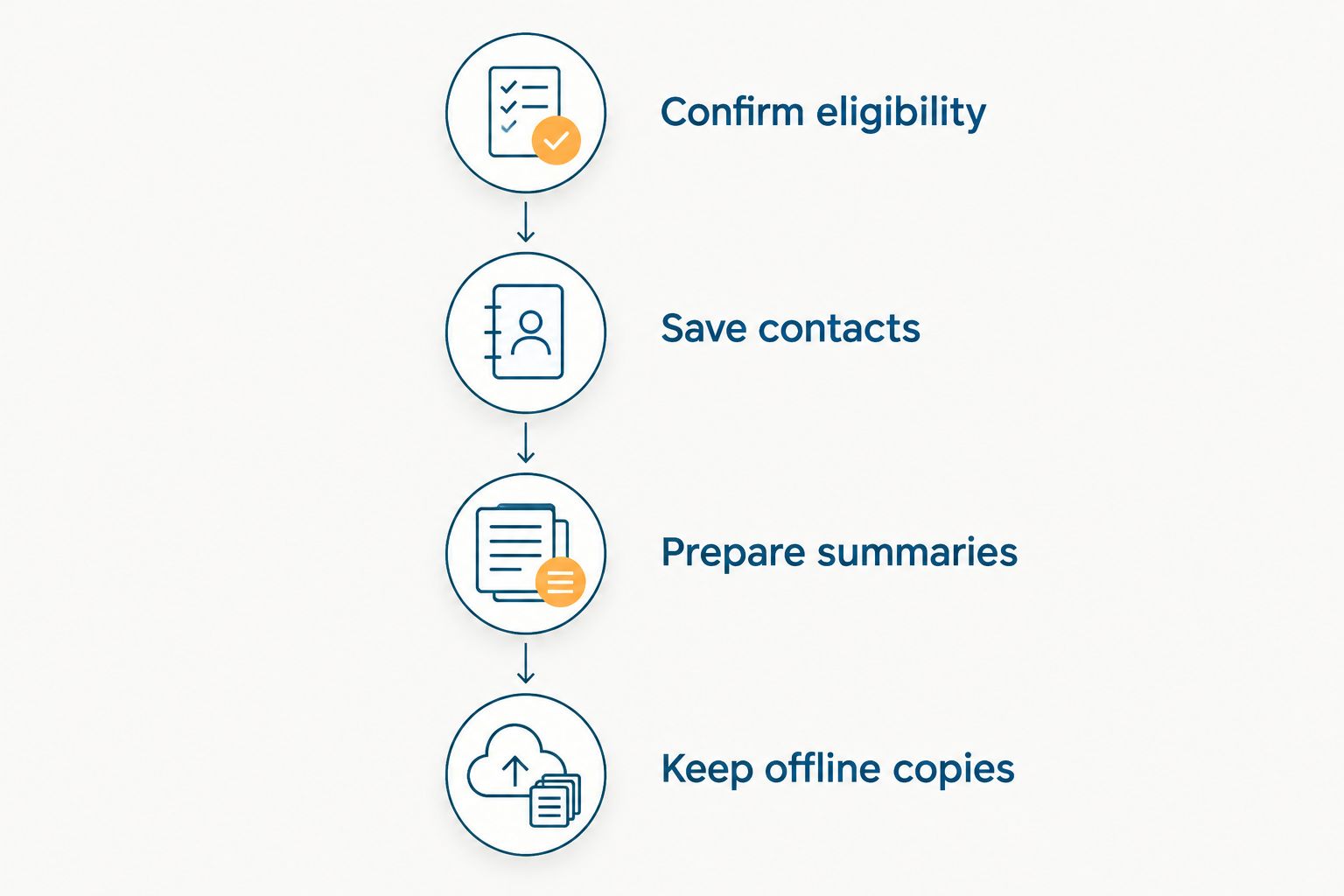
Once you have selected the coverage category, turn the policy into a usable travel plan. For 2026 departures, keep insurance instructions and healthcare contacts together so another adult can find them if needed.
- Confirm eligibility: Record the covered family members, destinations, dates, and relevant exclusions.
- Save contacts: Keep the insurer's assistance details and suitable local healthcare contacts accessible.
- Prepare summaries: Carry a concise medication list, allergy information, and relevant medical history for each traveler.
- Keep offline copies: Save essential documents and contact information where you can access them without mobile data.
MyAbroadMDs healthcare preparation memberships help with the local-contact part through personalized, curated English-speaking provider directories. Confirm insurance acceptance directly with the provider and insurer. A directory entry does not establish payment eligibility or guarantee an appointment.
For emergencies, use local emergency services rather than searching a directory first. 112 is the emergency number throughout the European Union; 911 is the emergency number in the United States. Save the correct emergency number for each destination before departure.
Prepare before you pack
Explore memberships for personalized English-speaking healthcare directories across 100+ countries.
Which insurance should your expat family choose?
Choose international health insurance as your default starting point for a relocation. Choose travel medical insurance for a temporary trip when medical protection is the main need. Choose comprehensive travel insurance when protecting the itinerary also matters.
Student health insurance and supplemental evacuation coverage solve narrower problems. Assess them against the student's requirements or a documented transport gap, not as substitutes for the family's main healthcare protection.
Before committing, send the insurer your residence situation, destinations, trip dates, dependent details, and relevant medical history. Request written answers tied to the policy wording. That is more useful than a general assurance that a plan is suitable for expats.
FAQ
What's the best travel insurance for expat families in 2026?
International health insurance is the strongest starting point for families relocating abroad, while travel medical insurance fits eligible temporary trips. The best policy must match every family member's residence, destination, medical needs, and length of stay.
Is travel insurance the same as expat health insurance?
No. Travel insurance addresses risks during eligible travel, while international health insurance is designed around healthcare within a defined coverage area. Read the benefits and exclusions rather than relying on the product label.
Can an annual travel policy cover a family living abroad?
Only if its residence eligibility and permitted trip duration fit the family's circumstances. Annual coverage does not automatically allow an uninterrupted overseas stay or a change of residence.
Does family travel insurance cover pre-existing conditions?
Coverage depends on the policy's definition, disclosure requirements, exclusions, and any applicable acceptance terms. Get written confirmation for each relevant condition before purchasing.
Does student health insurance cover parents and siblings?
Not automatically. Confirm dependent eligibility directly and assess accompanying relatives separately if they do not qualify under the student's policy.
Is MyAbroadMDs travel insurance for expat families?
No. MyAbroadMDs sells pre-trip healthcare preparation memberships with personalized, curated directories of English-speaking providers across 100+ countries. It is not insurance, telehealth, or a booking service.
Does evacuation coverage pay for hospital treatment?
Do not assume it does. Evacuation coverage addresses transport under specified conditions, while medical expense coverage determines eligible treatment payments; some policies combine these benefits, and others do not.
One last thing
An English-speaking doctor and an insurer-approved treatment are separate checks. Before a non-emergency appointment, confirm that the provider can address your family's needs and ask the insurer whether authorization or specific documentation is required. Finding care is the beginning of the process, not proof that the claim qualifies.