
Best overall for ongoing care: international health insurance that accepts your pre-existing condition in writing. Best for a fixed itinerary: single-trip travel insurance with an applicable pre-existing-condition waiver. Best for repeated short trips: annual multi-trip insurance with an applicable waiver. MyAbroadMDs helps you prepare to find English-speaking healthcare providers abroad, but it is not insurance, telehealth, or a booking service.
- The best travel insurance for digital nomads with pre-existing conditions depends on whether you need ongoing care or emergency protection.
- International health insurance wins for ongoing care only when your condition and required treatment are accepted in writing.
- A pre-existing-condition waiver matters only if you meet its terms; read the eligibility rules before departure.
- MyAbroadMDs helps you prepare to find English-speaking providers, but it does not pay medical bills.
Why this matters
A policy can cover a medical emergency without covering care related to a condition you already have. For a digital nomad, that distinction matters across destinations and renewals: the policy you buy must fit both your medical needs and the way you travel.
Start with two separate questions. Will the policy cover care related to your condition? Then ask whether it covers the countries you plan to visit for the time you expect to stay. A familiar policy label is not an answer to either question.
MyAbroadMDs serves a different part of the preparation. Its personalized, curated directory helps international travelers and study-abroad students identify English-speaking doctors and healthcare providers across 100+ countries. You still need separate insurance if you want financial coverage for eligible care.
What makes the best travel insurance for nomads with pre-existing conditions?
Use these criteria before comparing policy names. A policy that fails the first one is not the right pick, however well the rest fits your itinerary.
- Condition-specific coverage: Look for a written answer about your diagnosed condition, related complications, medication, and planned follow-up care. Do not treat general emergency coverage as confirmation.
- Type of care: Distinguish emergency treatment from routine appointments, ongoing prescriptions, and specialist care. Choose based on the care you expect to need, not just the most dramatic scenario.
- Travel pattern: Check whether the policy fits one trip, repeated departures, or a longer stay abroad. An annual policy still needs a trip-length check.
- Destination rules: Read the country and territory terms against your actual itinerary, including planned changes of destination.
- Eligibility and timing: A waiver can depend on when you buy coverage and whether you meet its other conditions. Confirm the applicable terms before departure.
- Claims instructions: Know what documents the insurer requests and whom you contact for care abroad. Keep those instructions with your travel documents.
The options at a glance
These are types of coverage, not endorsements of specific insurers. The best option is the one whose written terms cover your condition, care needs, destinations, and trip pattern.
| Option | Best for | Standout feature | Key limitation |
|---|---|---|---|
| International health insurance with written condition acceptance | Ongoing care during a longer stay | Can be assessed for planned and continuing medical needs | Your condition may be excluded or subject to specific terms |
| Single-trip travel insurance with an applicable waiver | One defined itinerary | A waiver can change how eligible pre-existing conditions are treated | Waiver eligibility and covered care depend on policy terms |
| Annual multi-trip insurance with an applicable waiver | Repeated shorter trips | One policy structure for multiple eligible departures | Per-trip limits and waiver conditions still apply |
| Travel medical insurance with condition-specific coverage | Emergency-focused travel | Focuses the comparison on medical treatment abroad | Routine or continuing care may be outside its scope |
1. International health insurance: best for ongoing care abroad
Best for: A nomad whose itinerary includes a longer stay and who needs to plan for care beyond an unexpected emergency.
International health insurance is the strongest starting point when managing your condition abroad is part of the trip, not an unlikely exception. Ask the insurer to confirm how your condition is treated under the policy, which services are included, and whether any exclusions or restrictions apply. Written acceptance is the deciding feature, not the word international in the product name.
International health insurance pros:
- Gives you a policy category to assess against ongoing medical needs.
- Lets you ask directly about specialist visits, follow-up care, and medication.
- Fits a comparison built around living abroad rather than a single holiday.
International health insurance cons:
- Acceptance of a pre-existing condition is not automatic.
- Coverage for your condition can differ from coverage for unrelated care.
- You must check each destination against the policy documents.
Verdict: Buy only when the insurer confirms in writing that the care you need is covered in your destinations. Otherwise, keep comparing. For 2026 travel, do not substitute a general statement about worldwide coverage for a condition-specific answer.
2. Single-trip insurance with a waiver: best for one itinerary
Best for: A nomad with one defined departure and return who meets the waiver conditions in the policy being considered.
A single-trip policy attaches coverage to a particular trip. Some policies offer a pre-existing-condition waiver, but the name alone tells you nothing about whether you qualify. Read the waiver, the policy's definition of a pre-existing condition, and the rules that apply to your booking and purchase dates.
Single-trip insurance pros:
- Lets you compare coverage against one set of destinations and travel dates.
- Makes the waiver's eligibility terms a clear decision point.
- Can fit a nomad taking a defined trip rather than relocating for ongoing care.
Single-trip insurance cons:
- A waiver does not make every type of care eligible.
- A later itinerary change requires another check against the policy terms.
- It is a poor substitute for planned ongoing care if that care is not covered.
Verdict: Buy only after you confirm that the waiver applies to your circumstances and that the policy covers the treatment you are trying to protect. In 2026, save the applicable policy wording with your trip documents; a search-result summary is not the contract.
3. Annual multi-trip insurance: best for repeated short departures
Best for: A nomad who takes separate, eligible trips and wants to assess them under one annual policy structure.
Annual multi-trip insurance can match repeated departures, but annual does not mean every day abroad is covered without restriction. Check the maximum length allowed for each trip, the destinations, and whether a pre-existing-condition waiver applies to every eligible departure. If you remain abroad beyond the permitted trip length, this category does not fit that itinerary.
Annual multi-trip insurance pros:
- Gives frequent travelers one set of policy terms to review for eligible trips.
- Makes repeated-departure planning simpler than evaluating a new category each time.
- Can suit an itinerary made of distinct, shorter trips.
Annual multi-trip insurance cons:
- Per-trip duration rules can rule out a long stay.
- A waiver still has eligibility requirements and exclusions.
- Changes to your condition or itinerary need a fresh terms check.
Verdict: Hold until you compare each planned trip with the policy's per-trip limit and get a clear answer about your condition. For 2026 departures, map the itinerary first. Do not choose this option just because you expect to travel throughout the year.
4. Travel medical insurance: best for emergency-focused travel
Best for: A traveler seeking medical protection for an eligible emergency abroad, with written confirmation that care related to their condition is covered.
Travel medical insurance directs your attention to treatment during a trip. That can be useful when emergency care is the priority, but it does not establish coverage for your pre-existing condition. Ask about related complications as well as the underlying diagnosis; the policy's definitions determine what qualifies.
Travel medical insurance pros:
- Keeps the comparison focused on treatment abroad.
- Prompts a direct question about emergency care related to your condition.
- Can fit a trip where you do not expect routine or continuing care.
Travel medical insurance cons:
- Emergency-focused coverage may not meet ongoing care needs.
- A general medical benefit does not override a condition exclusion.
- You still need to check destinations and trip duration.
Verdict: Buy only if the written terms cover the emergencies you are concerned about and the trip you will take. Skip this category as your only plan if you need continuing care that the policy excludes.
Confirm the coverage before departure
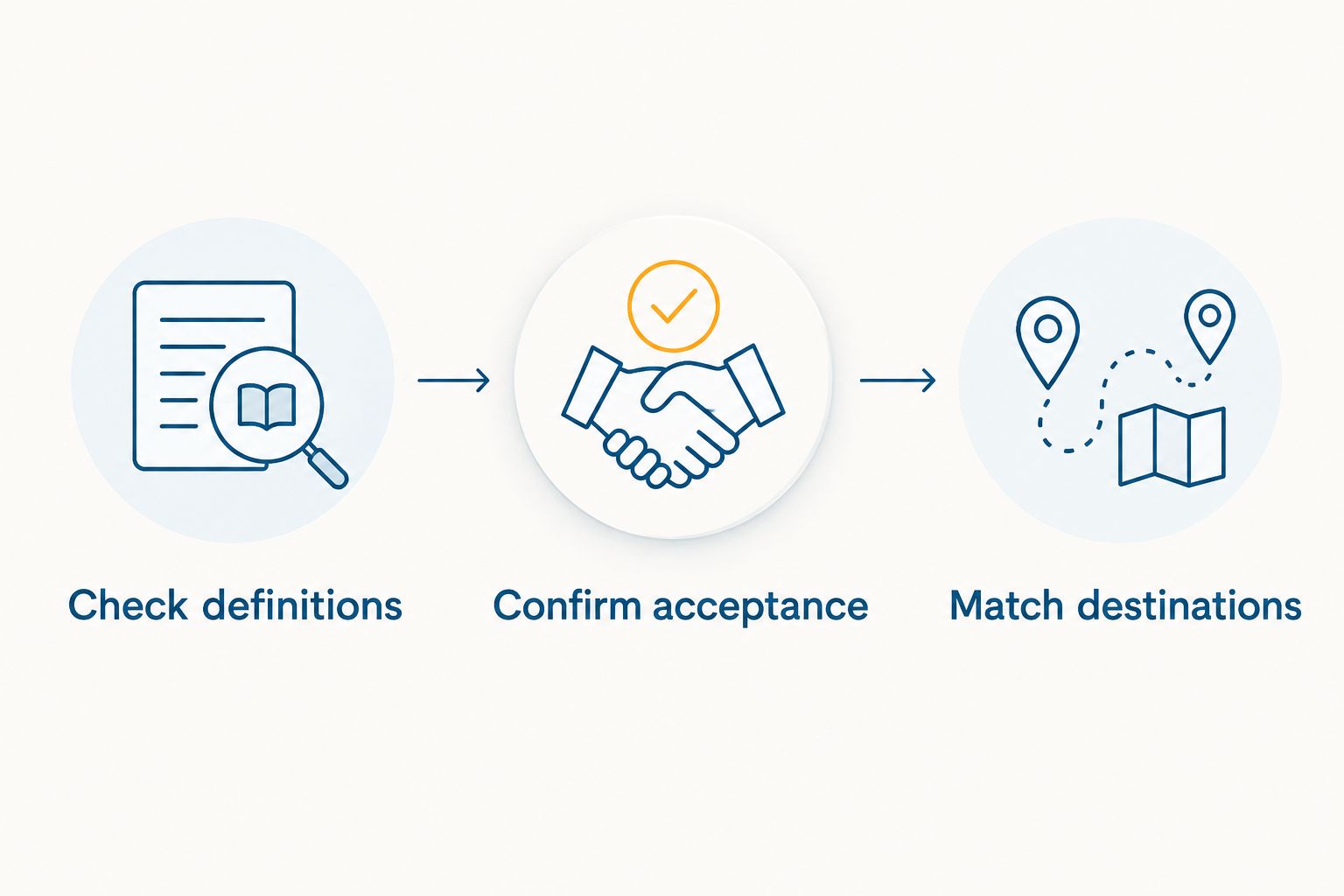
Use a 3-check review before you commit to any of the options above. It turns a broad coverage claim into answers you can use if you need care away from home.
- Check definitions: Find the policy's definition of a pre-existing condition, along with its exclusions and any waiver terms. Compare those words with your diagnosis and treatment history.
- Confirm acceptance: Ask for a written answer covering your condition and the care you expect to need. Include related complications, medication, and planned appointments where relevant.
- Match destinations: Check every planned country, the length of each stay, and the instructions for seeking treatment or making a claim.
A yes to one check does not replace the others. A policy can accept a condition while restricting the type of care, or cover a destination while excluding a stay that exceeds its trip-length terms.
Before you pack, keep the policy documents and claims instructions where you can retrieve them. MyAbroadMDs helps with a separate preparation task: identifying English-speaking providers. Its directory does not confirm insurance eligibility, arrange an appointment, or pay a provider.
Prepare before you depart
Explore memberships for finding English-speaking healthcare providers abroad.
How these options were ranked
The ranking starts with the care a nomad needs. International health insurance takes the top slot for ongoing care because its policy terms can be assessed against continuing medical needs. Single-trip insurance follows for one defined itinerary; annual multi-trip insurance fits repeated eligible departures; travel medical insurance is the narrower, emergency-focused choice.
This is not a ranking of insurers or a claim that every policy in a category covers pre-existing conditions. No category wins without written terms that match your condition, treatment, destinations, and travel dates. That rule applies equally in 2026 whether you are planning one departure or several.
Which option should you choose?
Choose international health insurance with written condition acceptance if you need ongoing care while living abroad. If you have one fixed trip, compare single-trip policies with an applicable waiver instead. For separate shorter departures, check annual multi-trip terms; for an emergency-focused trip, assess travel medical coverage condition by condition.
If no policy confirms the care you need, do not treat a provider directory as a fallback form of coverage. MyAbroadMDs is best for travelers who want to prepare to find English-speaking doctors abroad, not for insuring pre-existing conditions. Insurance and provider-finding solve different problems.
FAQ
What's the best travel insurance for digital nomads with pre-existing conditions?
International health insurance with written acceptance of your condition is the best starting point if you need ongoing care abroad. For one fixed trip, compare single-trip policies with an applicable pre-existing-condition waiver.
Does travel insurance cover pre-existing conditions?
Some policies cover eligible pre-existing conditions, but coverage depends on their written terms and your circumstances. Check the definition, exclusions, waiver eligibility, and types of care covered before departure.
Is a pre-existing-condition waiver the same as full medical coverage?
No. A waiver changes how specified exclusions apply when its conditions are met; it does not override every other limit in a policy. Read the covered-care and destination terms separately.
Is annual multi-trip insurance right for a long stay abroad?
Only if your stay meets the policy's per-trip duration and other eligibility rules. An annual policy can still limit the length of each individual trip.
Should I choose travel medical insurance if I need regular treatment?
Choose it only if its written terms cover the regular treatment you need. Emergency-focused coverage is not a substitute for continuing care that the policy excludes.
Does MyAbroadMDs provide travel insurance or telehealth?
No. MyAbroadMDs memberships provide a personalized, curated directory of English-speaking doctors and healthcare providers; they are not insurance, telehealth, or a booking service.
What should I check before buying coverage for a 2026 trip?
Check your condition's treatment under the policy, the care you need, and the rules for each destination and trip length. Get condition-specific answers in writing before departure.
One last thing
The strongest insurance choice and the easiest way to find a doctor are not necessarily the same purchase. Settle the coverage question first. Then prepare for the practical question of finding a provider you can speak with when your 2026 itinerary takes you abroad.