
Best overall for a 2026 study-abroad program: the health plan your university requires or approves. Best for independent enrollment: a dedicated study-abroad medical policy that meets your program’s rules. Best budget option: existing health coverage, but only when written policy terms confirm it works at your destination and your program accepts it. This guide shows how to choose among those options, where short-trip travel medical coverage fits, and why finding a doctor is a separate task.
- The best travel insurance for study abroad students is the university-approved health plan when your program requires one.
- Choose a dedicated study-abroad medical policy when you must arrange your own coverage; check the destination and program rules first.
- Existing health coverage is an option only when its overseas terms and your university’s requirements both check out.
- MyAbroadMDs helps students find English-speaking providers abroad; its directory membership is not insurance.
Why this matters before departure
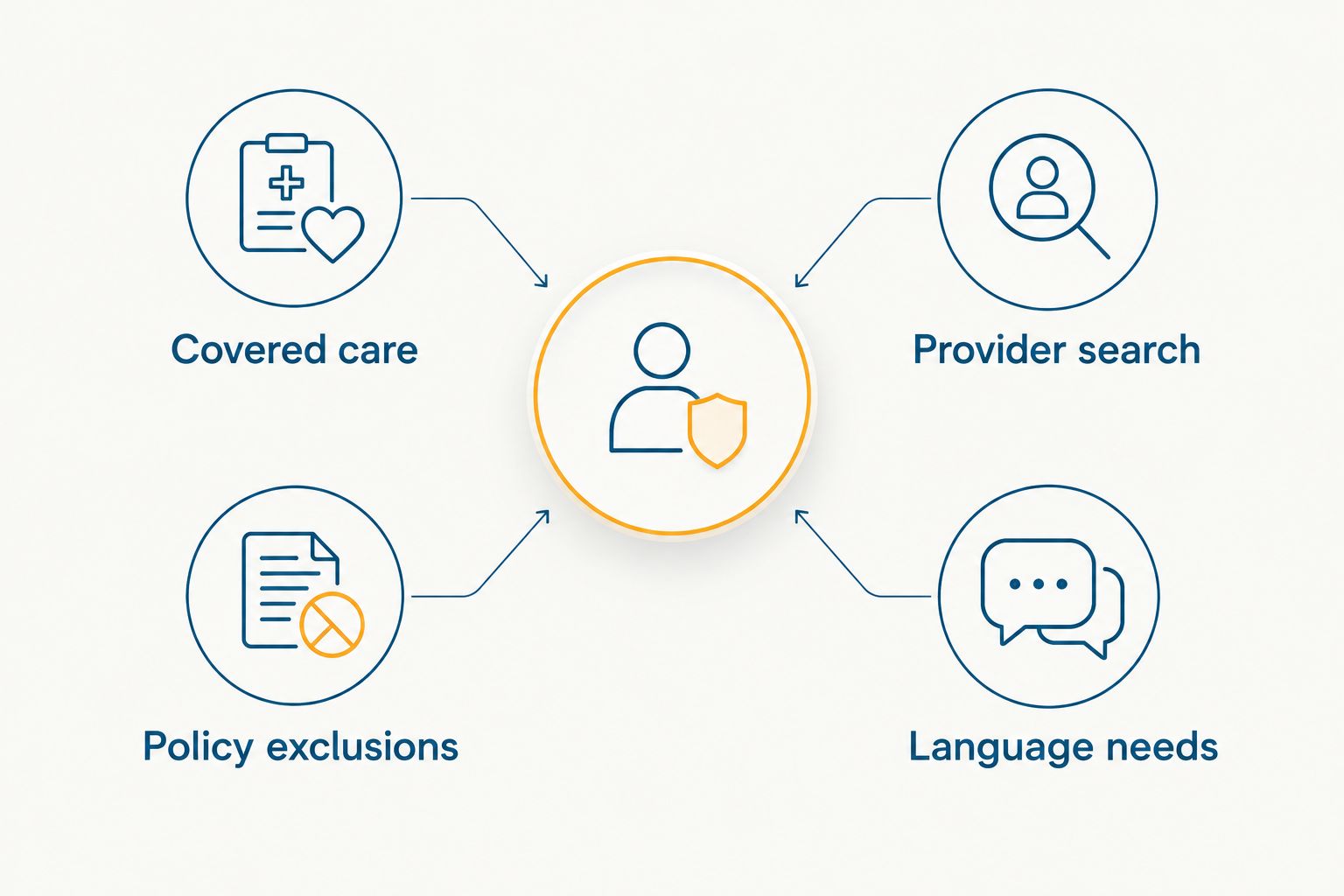
An insurance card does not answer every healthcare question abroad. You need to know whether your plan applies at your destination, what care its terms cover, how to request help, and how to find a clinician you can speak with. Resolve those questions before you pack, not after something goes wrong.
MyAbroadMDs offers subscription-based memberships with a personalized, curated directory of English-speaking doctors and healthcare providers across 100+ countries. That addresses the provider-search question. It does not replace insurance, provide telehealth, book appointments, or establish what an insurer will pay. Keep those roles separate while you plan your 2026 trip.
Start with the document your university sends. If it names an acceptable plan or sets minimum requirements, that document controls your shortlist. If the program accepts alternatives, compare their written terms against its requirements before choosing a policy.
What makes the best study-abroad insurance?
Use these criteria before you look at a plan name. Each one answers a different question about your itinerary and your access to care.
- Program acceptance: Does your university require a specific plan, or will it approve outside coverage? Get the answer before relying on another policy.
- Destination and dates: Does the policy apply everywhere you intend to study and travel, for the full period you need it? Check the written dates and geographic terms.
- Medical benefits and exclusions: What care is included, and which situations are excluded? Read the relevant policy wording rather than a short summary.
- Emergency process: Whom do you contact, and what must you do before treatment, during an emergency, or when submitting a claim?
- Payment and documents: Find out what proof of coverage, receipts, and medical records the insurer requires. Do not assume every provider bills the insurer directly.
- Finding a provider: Confirm what help the policy offers with locating care. Keep a separate way to search for an English-speaking clinician if you need one.
For 2026 departures, write down 3 documents to keep accessible: your university’s coverage requirements, your policy terms, and your insurer’s contact instructions. A membership directory is useful alongside them, but it cannot change what those documents say.
Study-abroad insurance options at a glance
These are types of coverage to evaluate, not claims that every policy in a category includes the same benefits. The best choice depends first on your program’s rules, then on the actual policy terms.
| Option | Best for | Standout feature | Key limitation |
|---|---|---|---|
| University-required or approved student health plan | Students whose program specifies coverage | Gives you a clear starting point for program acceptance | Approval alone does not tell you which care or destinations the policy covers |
| Dedicated study-abroad medical policy | Students who must arrange their own term abroad | Lets you compare a policy against the full study itinerary | You must verify every program requirement and exclusion yourself |
| Verified existing health coverage | Students whose current plan is accepted overseas | Lets you assess coverage you already hold before obtaining another policy | A domestic insurance card does not prove overseas coverage or school acceptance |
| Travel medical policy for side trips | Insured students adding travel outside the study itinerary | Creates a separate check for travel not addressed by the main plan | A side-trip policy is not a substitute for required program coverage |
A single student can appear in more than one row: your university might require a plan for the term while your side trips call for a separate review. Do not buy a second policy because its category sounds relevant. Identify the gap in your existing terms first.
1. University-approved plan: best for required program coverage
When your university requires or approves a student health plan, start here. Ask which document defines acceptance, then compare the plan’s policy wording with your destination and dates. For a student facing a mandatory plan rule, the university-approved plan is the default insurance choice.
That verdict is about eligibility for the program, not a promise that every medical situation is covered. Read the exclusions and instructions as carefully as you would with a policy you found yourself. Keep the insurer’s contact details accessible throughout your 2026 itinerary.
University-approved plan pros:
- Establishes a direct answer to the program-acceptance question when the university specifies the plan.
- Gives you a defined policy to review against the dates and destinations on your itinerary.
- Reduces the risk of choosing an outside option that the program will not accept.
University-approved plan cons:
- University approval does not establish coverage for every treatment or side trip.
- You still need to check how to obtain help and what documentation a claim requires.
University-approved plan pricing: Check the current university and policy documents; no amount establishes whether the coverage fits your needs.
Best for: A student whose university requires a particular plan or supplies an approved choice. Verdict: Buy when it is mandatory; otherwise, compare its written terms with accepted alternatives.
2. Dedicated study-abroad policy: best for independent enrollment
A dedicated study-abroad medical policy is the first option to assess when your program leaves insurance selection to you. Match its stated coverage period and destinations to your actual term, then check each university requirement against the full policy terms. The label study abroad on a page is not evidence of acceptance.
Build the comparison around your plans, not a generic student profile. If your itinerary includes travel outside the study destination, ask whether those places are covered. If you need a particular type of care, look for the relevant benefit and exclusions in writing before you commit.
Dedicated study-abroad policy pros:
- Gives independently enrolling students a policy to compare against program rules.
- Lets you select based on the destinations and dates in your own itinerary.
- Makes exclusions and assistance instructions specific questions to ask before departure.
Dedicated study-abroad policy cons:
- You must confirm university acceptance; the policy name cannot do that for you.
- Coverage details differ by contract, so a short benefits list is not enough.
- Finding an English-speaking doctor remains a separate question unless the written terms explain that support.
Dedicated study-abroad policy pricing: Check current policy information only after confirming the program accepts the coverage and the terms fit your trip.
Best for: A student who must independently arrange coverage for the full study period. Verdict: Buy only after checking program acceptance, dates, destinations, and exclusions in the actual policy.
3. Existing health coverage: best for students with accepted overseas benefits
Before adding another policy, inspect the health coverage you already have. Ask the insurer to identify the written terms that apply overseas, then ask your university whether those terms satisfy its requirements. Existing coverage is the best budget option only when it passes both checks.
Do not treat the ability to carry an insurance card abroad as proof of usable benefits abroad. Check the care you expect to access, how emergencies are handled, and what you must submit for a claim. If the policy or the program leaves a required point unanswered, keep evaluating other coverage.
Existing health coverage pros:
- Starts with a policy you already hold rather than assuming you need another one.
- Gives you an opportunity to identify exact gaps before considering added coverage.
- Provides a clear pass-or-fail test against your university’s written requirements.
Existing health coverage cons:
- Overseas benefits cannot be established from the card or plan name alone.
- Program acceptance requires confirmation; your insurer cannot approve coverage on the university’s behalf.
- A policy that works at the study destination still needs checking against side trips.
Existing health coverage pricing: Review your current plan documents and any proposed changes without treating cost as evidence of overseas coverage.
Best for: A student whose existing policy explicitly applies to the itinerary and meets program rules. Verdict: Hold your search for another policy until you receive both confirmations; skip this route if either check fails.
4. Side-trip travel medical policy: best for travel beyond the term plan
A term abroad often involves decisions beyond the main study itinerary. If you plan travel outside the destinations or dates covered by your primary plan, assess a travel medical policy for that particular gap. Compare its geographic terms, dates, exclusions, and emergency instructions with the trip you intend to take.
Keep the main program plan and side-trip policy in separate folders. If both appear relevant to an incident, their written terms determine the next step; do not assume that holding 2 policies settles a claim. Confirm which insurer to contact and what records to retain before leaving the study destination.
Side-trip travel medical policy pros:
- Focuses the search on a defined trip rather than changing the term-long decision.
- Prompts you to check dates and destinations your main plan may not address.
- Gives you a separate set of assistance instructions to review before that trip.
Side-trip travel medical policy cons:
- It does not meet a university’s term-long insurance requirement unless the university accepts it for that purpose.
- Exclusions and claims instructions still require a full policy review.
- Another policy adds documentation to keep track of while traveling.
Side-trip travel medical policy pricing: Review current terms after identifying a real gap; do not choose it as a substitute for required term coverage.
Best for: An insured student taking a trip that needs a separate coverage check. Verdict: Wait until your main plan’s dates and destinations show whether added coverage is needed.
Insurance and an English-speaking doctor solve different problems
Insurance answers questions about covered care, exclusions, claims, and assistance under a particular contract. A provider directory helps you identify clinicians. MyAbroadMDs is best for study-abroad students who want to prepare an English-speaking provider search before departure; it is not a travel insurance option.
For 2026 planning, treat these as 2 separate checks. First, confirm what the insurer requires when you seek care. Second, decide how you will identify a suitable clinician at your destination. MyAbroadMDs memberships provide a personalized, curated directory of English-speaking doctors and healthcare providers across 100+ countries. A directory listing does not confirm that a clinician accepts your insurance or that a particular visit is covered.
MyAbroadMDs strengths: You can prepare for the provider-search part of your itinerary before you leave, especially when speaking with a clinician in English matters to you. MyAbroadMDs limitation: Its membership is not insurance, telehealth, or an appointment-booking service. Verify coverage and appointment details through the appropriate sources rather than treating a directory entry as confirmation.
How these options were ranked
The ranking starts with program acceptance because a policy that fails your university’s requirements cannot solve that requirement. It then follows your existing coverage and itinerary: independent enrollment calls for a term-long comparison, verified existing benefits can meet the need where accepted, and a side trip calls for a separate gap check.
This is a decision order for 2026, not a ranking of insurers or a claim that any category guarantees a benefit. Use the criteria above to assess the actual policy offered to you. Read exclusions and emergency instructions before you leave, even when the plan is university-approved.
Which study-abroad insurance should you choose?
Choose the university-required or approved health plan if your program makes it mandatory. If you must choose independently, select a dedicated study-abroad medical policy only after matching its terms to the program and itinerary. Use existing coverage only when both the insurer’s documents and your university confirm it fits. Assess a side-trip policy only for a gap your main plan leaves open.
For an undecided student preparing for 2026, the next move is simple: request your university’s insurance requirements and your current plan’s overseas terms. Those 2 documents determine which row of the comparison table deserves your attention. Then keep your coverage decision separate from your plan to find an English-speaking doctor.
FAQ
What is the best travel insurance for study abroad students in 2026?
The best travel insurance for study abroad students is the university-required or approved plan when the program specifies one. Otherwise, compare a dedicated study-abroad medical policy with the university’s requirements and your itinerary.
Can I use my existing health insurance while studying abroad?
You can use existing health insurance only if its written overseas terms fit your trip and your university accepts it. Check both before relying on the policy.
Does a university-approved plan cover every side trip?
University approval does not establish coverage for every side trip. Check the plan’s geographic and date terms against each destination on your itinerary.
Is a travel medical policy enough for a full study-abroad term?
A travel medical policy is enough only if its actual terms meet your full-term needs and your university accepts it. A policy intended for a side trip must not be assumed to satisfy program rules.
How do I compare study-abroad insurance policies?
Compare program acceptance, destinations, dates, medical benefits, exclusions, emergency instructions, and claims documents. Use the full policy wording rather than a short description.
Does MyAbroadMDs provide travel insurance or book appointments?
No. MyAbroadMDs provides a membership-based directory of English-speaking doctors and healthcare providers; it is not insurance, telehealth, or an appointment-booking service.
Will a doctor listed in a directory accept my insurance?
A directory listing does not confirm insurance acceptance or coverage for a visit. Check the provider’s arrangements and your insurer’s policy terms separately.
One last thing
Before your 2026 departure, save the policy’s emergency instructions separately from your student paperwork. If you need care away from your study destination, you should be able to identify which policy applies and whom to contact without reopening your entire insurance search. Finding a doctor and establishing coverage remain different tasks.