Best overall: a compact, organized first aid kit; best for hiking: a blister-focused kit; best budget option: a small DIY essentials pouch. The best travel first aid kits for international trips in 2026 match your itinerary, your medical needs, and the supplies you know how to use.
- The best travel first aid kits for international trips prioritize useful contents over a large piece count.
- Choose a compact, organized kit for city breaks and multi-destination travel.
- Choose a blister-focused kit for walking-heavy itineraries; choose a shared kit for family trips.
- MyAbroadMDs supports pre-trip doctor planning, not first aid treatment, insurance, telehealth, or appointment booking.
Why this matters
A first aid kit handles small problems: a scraped knee, a minor cut, or a rubbing shoe. It does not diagnose an illness, replace prescribed treatment, or tell you whether a worsening symptom needs medical attention.
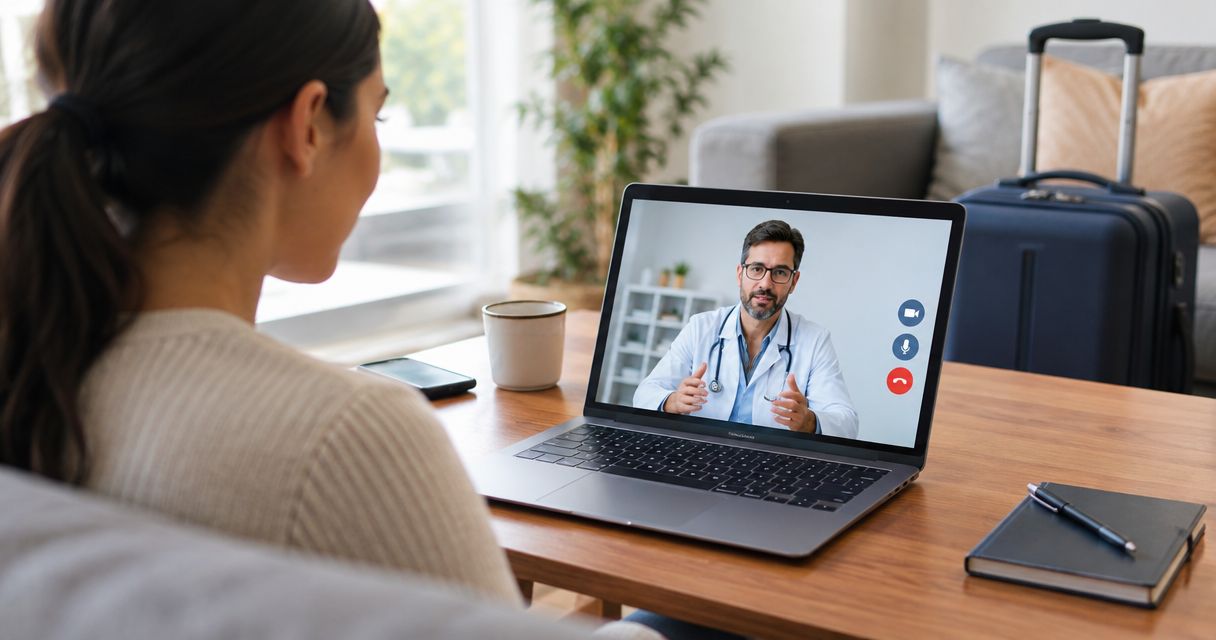
Pack supplies and a care plan together. MyAbroadMDs offers subscription-based memberships with personalized, curated directories of English-speaking doctors and healthcare providers across 100+ countries. That serves a different purpose from the pouch in your suitcase.
For a 2026 international itinerary, the useful question is not how many pieces a kit contains. It is whether you can find the right item, use it correctly, and recognize when first aid is no longer enough.
What makes the best travel first aid kit in 2026
Use these criteria before comparing kit formats:
- Relevant contents: Supplies should fit your activities, existing needs, and likely minor injuries.
- Clear organization: Labeled compartments help you find dressings without emptying the whole pouch.
- Usable quantities: Count useful dressings, not every tiny accessory as an equally valuable piece.
- Travel fit: Check the packed size, container protection, and applicable baggage rules.
- Maintainability: Choose a format you can inspect, replenish, and adapt between destinations.
- Safe boundaries: Carry only medicines and equipment you understand, with professional advice where needed.
A long contents list is not a verdict. A kit filled with items you cannot use is a poor match, even if its packaging looks impressive.
Travel first aid kits at a glance
These recommendations rank kit formats rather than individual retail products. Read the actual contents list before choosing a commercial kit; the format name alone does not guarantee what is inside.
| Rank and kit format | Best for | Standout feature to look for | Key limitation |
|---|---|---|---|
| 1. Compact, organized kit | City breaks and multi-stop trips | Separated, clearly labeled basic supplies | Needs personal additions and a contents check |
| 2. Blister-focused kit | Hiking and walking-heavy itineraries | Appropriate blister protection and accessible dressings | Does not address the full range of outdoor risks |
| 3. DIY essentials pouch | Travelers minimizing unnecessary contents | Direct control over every item packed | Requires careful selection and maintenance |
| 4. Shared family kit | Adults traveling with children | Organized supplies suited to different travelers | Medicines require person-specific checks |
| 5. Extended-stay kit | Study-abroad students and longer stays | Refillable supplies separated from medication records | Cannot replace refill planning or local healthcare |
1. Compact, organized kit: best for city breaks
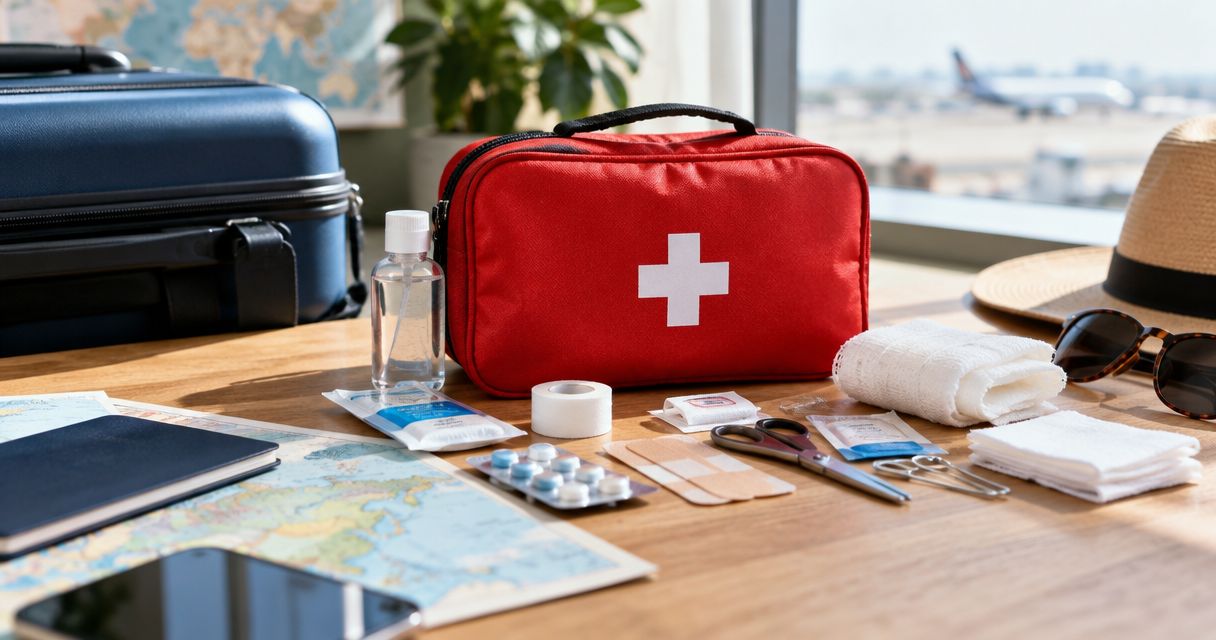
A compact, organized first aid kit is the default choice for sightseeing, hotels, and multi-stop travel. Look for clearly separated wound-care supplies, such as adhesive bandages, sterile dressings, and medical tape. Confirm the contents yourself rather than assuming the word travel means complete.
Choose a pouch that belongs in the bag you actually carry. A kit buried beneath checked luggage is less useful during a day out.
Compact, organized kit pros:
- Gives routine wound-care supplies a dedicated place.
- Makes contents easier to inspect before departure.
- Provides a base you can adapt to your itinerary.
- Keeps basic supplies separate from loose toiletries.
Compact, organized kit cons:
- A generic kit does not account for your allergies or prescriptions.
- Small compartments limit how much you can carry.
- Included supplies still need checking for condition and expiry dates.
Best for: Travelers taking city breaks, staying in hotels, or moving between destinations with a day bag.
Before choosing it, open the pouch and read every label. Remove unfamiliar items, replace damaged packaging, and add only what your trip requires. Keep personal medication in its appropriate packaging rather than mixing loose tablets into the dressings compartment.
Verdict: Buy a compact, organized kit as your default, then personalize it.
2. Blister-focused kit: best for hiking and long walks
A blister-focused kit puts foot protection and dressings within easy reach. It suits itineraries built around walking tours, trails, and repeated days on your feet. Choose products with clear instructions and check that they suit your skin and any adhesive sensitivities.
Foot supplies are an addition to basic wound care, not a replacement. You still need a plan for injuries or illness beyond minor self-care.
Blister-focused kit pros:
- Prioritizes a problem directly related to walking-heavy travel.
- Keeps foot-care supplies accessible during an outing.
- Can be adapted to your footwear and known friction points.
Blister-focused kit cons:
- A narrow foot-care pouch leaves other first aid needs uncovered.
- Dressings do not compensate for unsuitable footwear.
- Remote routes require planning beyond what a small kit contains.
Best for: Travelers whose itinerary centers on hiking, walking tours, or extended sightseeing on foot.
Follow each dressing's instructions. Travelers with diabetes, poor circulation, or reduced sensation should discuss foot-care needs with a healthcare professional before departure rather than relying on a generic blister kit.
Verdict: Buy a blister-focused kit for walking-heavy trips, alongside basic supplies.
3. DIY essentials pouch: best for a minimal packing budget
A DIY essentials pouch lets you select individual supplies instead of accepting a preset assortment. It is the budget-oriented choice because you control what goes into it, not because a homemade kit is always cheaper. Start with your itinerary and select suitable, clearly labeled supplies.
Use a dedicated container. An assortment scattered across toiletry bags is difficult to inspect and easy to forget.
DIY essentials pouch pros:
- Gives you direct control over contents and quantities.
- Avoids accessories you do not need or understand.
- Makes it straightforward to replace individual supplies.
- Adapts to adhesive allergies and other personal considerations.
DIY essentials pouch cons:
- You must identify gaps without relying on a preset list.
- Loose supplies can lose labels or protective packaging.
- Assembly and upkeep remain your responsibility.
Best for: Travelers who want a small, deliberate kit and are willing to inspect every item.
Keep sterile supplies sealed until use. Store medicines according to their labeling, and do not transfer unidentified pills into an unlabeled pouch. Ask a pharmacist about medicine selection when you have allergies, take other prescriptions, or are unsure what is appropriate.
Verdict: Buy individual supplies for a DIY kit if you will maintain it carefully.
4. Shared family kit: best for trips with children
A shared family kit organizes supplies for the people traveling together. The useful distinction is not a larger pouch alone: it is clear separation between shared wound-care supplies and anything intended for a specific person.
Children's medicine needs depend on the medicine, the child's age and weight, and professional guidance. A family label on a package does not settle those questions.
Shared family kit pros:
- Gives caregivers a single place to find shared supplies.
- Supports clear labeling of person-specific items.
- Makes it easier to review needs across the traveling group.
Shared family kit cons:
- A shared pouch creates confusion if medicines are poorly labeled.
- One person's suitable medicine is not automatically suitable for another.
- Extra contents add bulk without necessarily improving preparation.
Best for: Parents and caregivers coordinating first aid supplies for adults and children.
Review medication choices with a pharmacist or clinician before departure. Keep dosing instructions and any required measuring device with the relevant medicine. Tell the other responsible adults where the kit is and which items are not for shared use.
Verdict: Buy a family-format kit only if you organize it around individual needs.
5. Extended-stay kit: best for study-abroad students
An extended-stay kit is a refillable starting supply for a longer period abroad. Keep basic dressings accessible, and separate them from prescription medicines and medical documents. The aim is an organized beginning, not carrying a substitute pharmacy.
For a study-abroad departure in 2026, plan ongoing healthcare separately from first aid. A pouch does not resolve prescription import rules, refills, or finding a clinician.
Extended-stay kit pros:
- Establishes a dedicated place for routine first aid supplies.
- Encourages inspection and replenishment during the stay.
- Separates everyday supplies from longer-term healthcare records.
Extended-stay kit cons:
- Larger quantities take up luggage space.
- Medicines remain subject to destination-specific requirements.
- The kit cannot replace access to local healthcare.
Best for: Study-abroad students and travelers spending an extended period in another country.
Prepare a readable medication list with generic names, allergies, and relevant prescribing information. Confirm import and refill arrangements through the appropriate official sources before leaving. Do not assume a medicine sold at home has the same name or access rules abroad.
Verdict: Buy a refillable kit for an extended stay, and plan ongoing care separately.
How to prepare your kit before departure
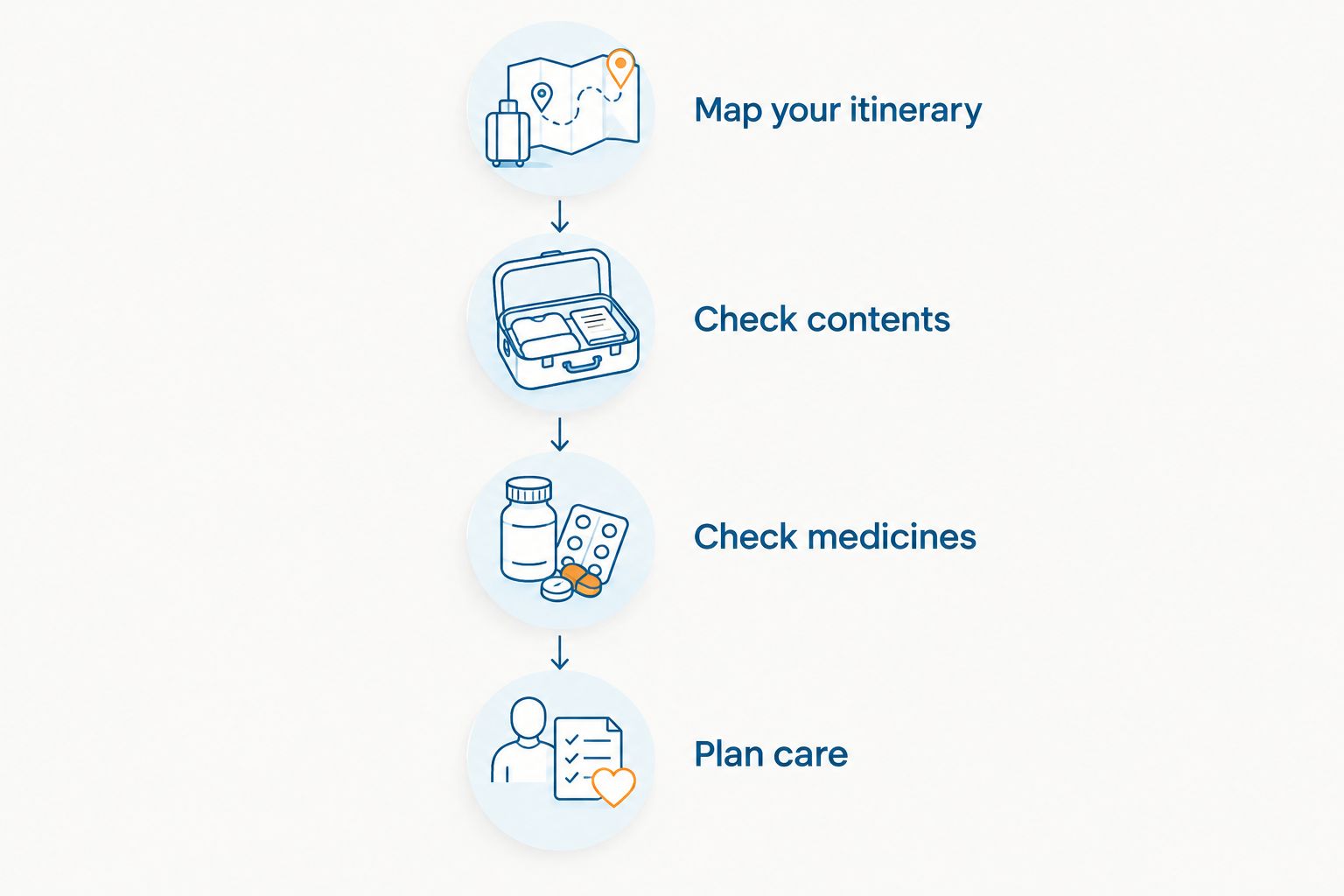
Map your itinerary
Match supplies to the activities you have planned. Walking-focused travel calls for attention to foot care; a family trip calls for person-specific organization. Remote travel also needs a communication and emergency plan beyond the kit.
Check contents
Lay everything out. Read labels, inspect sealed packaging, check expiry dates, and remove items you cannot identify or use. Put frequently needed supplies somewhere accessible without disturbing the rest.
Check medicines
Review personal medicines with a pharmacist or clinician when needed. Check destination rules through official authorities and distinguish security requirements from medicine import requirements. Passing airport screening does not establish permission to bring a medicine into another country.
Plan care
Save relevant healthcare contacts and the local emergency number before departure. Decide how you will seek help if a problem exceeds basic first aid. Keep this information accessible without depending entirely on an internet connection.
These checks matter more than adding unfamiliar equipment. Your first aid kit should reflect what you can safely do, not everything a retailer can fit into a pouch.
Airport rules are not destination rules
For departures through US checkpoints, the Transportation Security Administration's standard carry-on liquids rule uses containers of 3.4 ounces, or 100 mL, within a single quart-sized bag. TSA treats medically necessary liquids differently; check its current instructions and declare them as required.
That rule does not cover every item in a first aid kit. Check current security guidance for scissors, sharp tools, and any other restricted equipment before your 2026 departure.
Destination medicine rules are a separate check. Consult the destination's official authorities about restrictions and required documentation, especially for controlled medicines. Keep identifiable packaging and follow storage instructions.
How the kit formats were ranked
The 2026 ranking puts itinerary fit, organization, and maintainability ahead of piece count. The compact format comes first because it provides a practical base for general travel; the other formats address distinct needs.
This is a selection framework, not a product test or a certification. Compare the actual contents, instructions, and limitations of any kit you are considering against the criteria above.
Which travel first aid kit should you choose?
Choose a compact, organized kit unless your itinerary gives you a clear reason to specialize. Add foot-care supplies for long walks, person-specific organization for family travel, or refill planning for an extended stay.
MyAbroadMDs is best for international travelers who want a personalized directory of English-speaking healthcare providers before departure. It supports travel healthcare preparation; it is not a first aid kit, insurance, telehealth, or a booking service.
Keep those roles separate. Supplies support minor self-care. Clinicians assess medical problems. Insurance terms determine covered expenses.
FAQ
What's the best travel first aid kit for an international trip?
A compact, organized kit is the best default for general international travel. Check its contents and personalize it for your itinerary, allergies, and medical needs rather than choosing by piece count.
Is a DIY first aid kit better than a premade kit?
A DIY kit is better when you want direct control over every item and will maintain it carefully. A premade kit provides a starting assortment, but you still need to inspect its contents and add suitable personal supplies.
What should I put in a travel first aid kit?
Start with appropriate basic wound-care supplies, such as adhesive bandages, sterile dressings, and medical tape. Add itinerary-specific items, keep personal medicines identifiable, and ask a pharmacist or clinician about medicine choices when needed.
Can I take a first aid kit in my carry-on?
Carry-on permission depends on the individual contents, not the first aid kit label. Check the relevant airport security rules for liquids, scissors, sharp tools, and medically necessary items before departure.
What's the best first aid kit for traveling with children?
A clearly organized shared family kit is the best format for caregivers traveling with children. Keep person-specific medicines labeled and confirm suitable medicines and dosing instructions with a pharmacist or clinician.
Does a first aid kit replace travel medical insurance?
No, a first aid kit does not replace travel medical insurance. It holds supplies for minor self-care; insurance addresses covered expenses under the policy's terms.
Does MyAbroadMDs provide treatment or book appointments?
No, MyAbroadMDs is not a treatment, telehealth, or appointment-booking service. Its subscription-based memberships provide personalized, curated directories of English-speaking doctors and healthcare providers for pre-trip planning.
One last thing
Before your 2026 departure, ask another traveler to find a dressing in your packed kit without your help. If they must empty the pouch, reorganize it. A clear layout is a practical improvement you can make without adding another item.